

Adobe Put AI Video Inside the Timeline. Marketing Production Just Changed Shape.

Updated: 20 hours ago
On September 8, Adobe moved a meaningful piece of generative AI out of the prompt box and into the place professional editors already work: the timeline. Premiere now lets editors generate video, add missing B-roll, create sound effects and extend clips without leaving the edit, while After Effects adds an AI Assistant that can help with expressions and explain how to complete tasks.
For marketing teams, the consequence is bigger than another model launch. The production bottleneck is shifting. If generation happens inside the edit, the scarce resource becomes less about getting an AI clip at all and more about knowing exactly what the campaign needs next.
The Breakthrough Is Not the Model. It Is the Timeline.
Adobe says Premiere can now generate video and other media from models including Adobe Firefly alongside partner models from Google, Kling AI, Luma AI and Runway. Generative Extend can add frames to footage and create matching ambient audio, while Media Intelligence can search across a project using plain-language descriptions of scenes or sounds.
That matters because creative teams have spent the last few years bouncing between tools: write a prompt somewhere else, wait for an asset, download it, import it, check whether it works, revise the prompt, then repeat.
Moving generation into the editing environment removes some of that handoff. The editor can identify the actual gap in context—a transition, a cutaway, room tone, a missing establishing shot—and generate against the sequence that already exists.
The marketing implication is operational. A campaign brief no longer needs to predict every asset before production starts. It does need to define the message, audience, proof points and visual boundaries clearly enough that a team can make good decisions when new creative options appear halfway through the edit.
Model Choice Becomes a Production Decision.
Adobe is also making model selection part of the workflow rather than pretending one model should do everything.
That is a subtle but important shift.
Different generators have different strengths, costs, speed profiles and visual behavior. When the choice sits next to the footage, the question becomes practical: which model produces the right shot for this moment, this brand and this deadline?
For businesses, that could change how creative testing is planned. Instead of treating AI as a separate content factory, teams can use it surgically: replace one weak insert, create a missing product detail shot, explore a transition, or build an alternate version of a scene.
The value is not “more content” by itself. It is the ability to repair or vary a campaign without restarting production every time.
This is also where OrionPilot’s approach becomes relevant without implying any Adobe integration. OrionPilot’s public How It Works page describes a connected marketing workflow that links campaign creation with analytical insights and learning over time.
When production can change this quickly, keeping the creative decision tied to the campaign objective becomes more important, not less. Faster generation only helps if the system around it still remembers what the week is trying to accomplish.

Marketing Teams Get Faster Only If Their Brief Gets Better.
AI inside the timeline does not eliminate creative direction. It raises the cost of vague direction. A weak brief can now produce weak variations faster.
A useful brief for this environment has to specify what cannot drift: the product truth, the audience, the claim, the emotional temperature, the required action and any visual rules that define the brand. Then the editor has room to experiment inside those boundaries.
The technology becomes most useful when it solves a concrete production problem rather than inventing a new campaign every time someone types a prompt.
That distinction matters for smaller businesses too. The benefit is not that every company suddenly needs a sophisticated post-production department. It is that capabilities once separated across specialist tools are moving closer to the normal creative workflow. As those functions become easier to access, the competitive difference shifts toward judgment: choosing the right idea, recognizing the missing asset and knowing whether a variation strengthens or weakens the message.
The Human Editor Is Still the Control Layer.
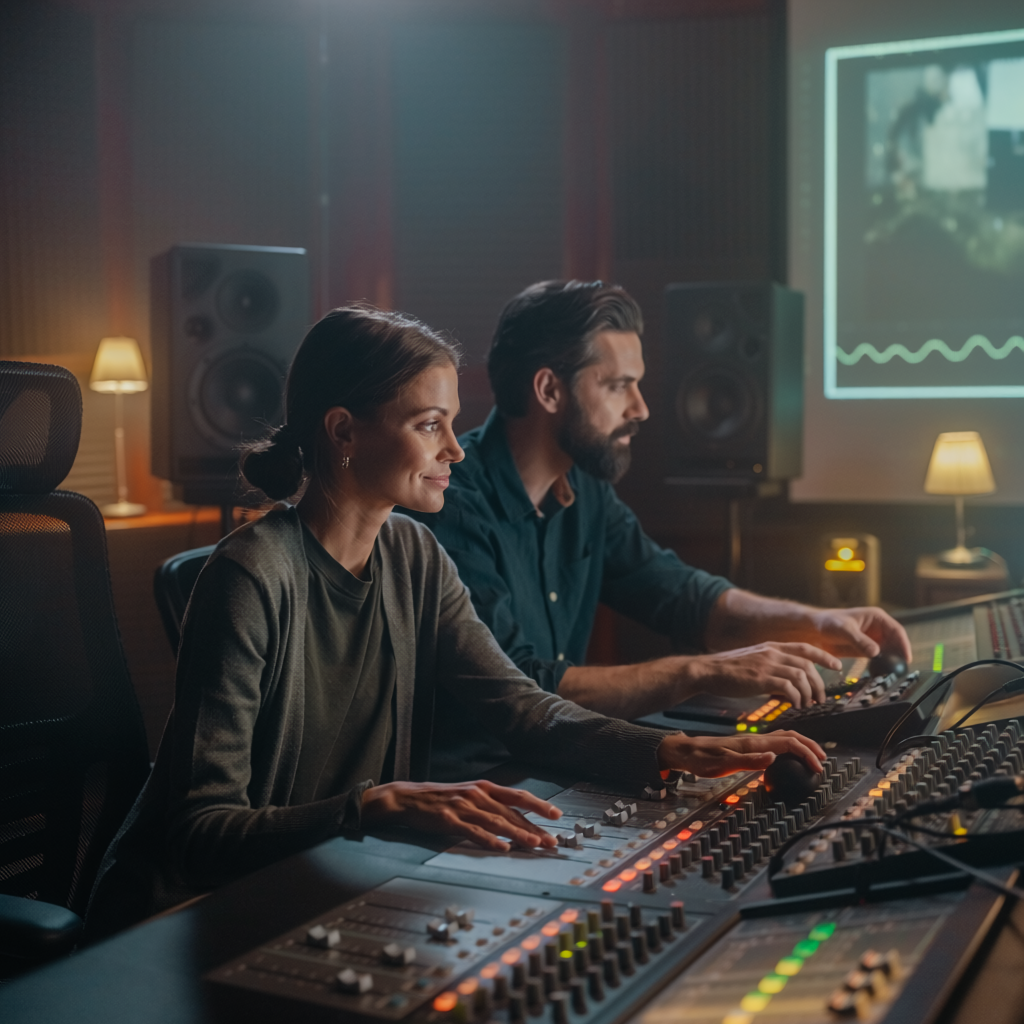
Adobe’s release does not remove the editor from the process. It makes the editor the control layer across more kinds of media. After Effects’ AI Assistant can help build expressions, troubleshoot and explain workflows, but the person still decides what belongs in the piece.
In Premiere, generated footage still has to survive the same questions as filmed footage: Does it match the cut? Does it feel believable? Does it support the claim? Does it make the customer understand something faster?
That is the larger technology breakthrough for marketing. Generative AI is moving from a separate destination into professional production software, where it can be judged against real work in context.
The next advantage will not belong automatically to the team with the most models. It will belong to the team that can connect strategy, creative judgment, production speed and performance learning without losing the thread between them. Adobe just made the production layer more flexible. The harder—and more valuable—part is deciding what that flexibility is for.


Comments