
The Before-and-After Photo Should Start Before the Work.

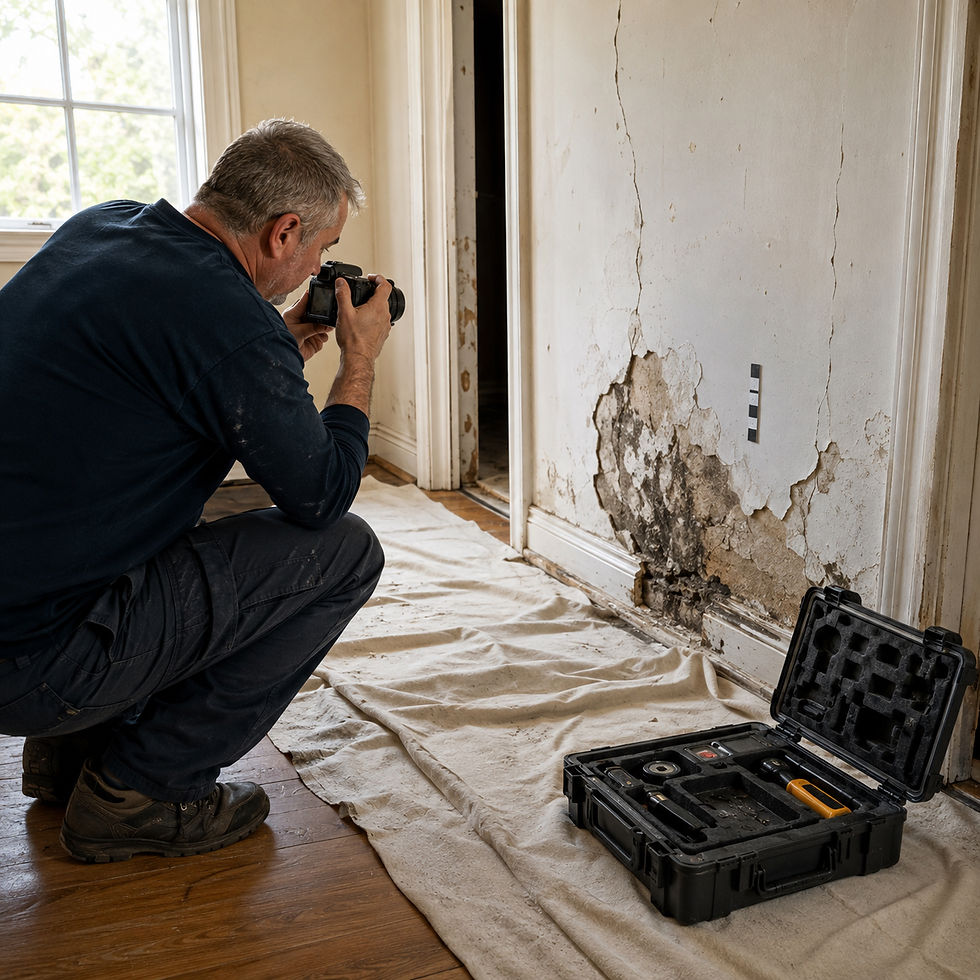
A polished after photo can attract attention, but it cannot explain what the customer originally faced. A fresh coat of paint may look impressive without showing the cracked plaster beneath it. A repaired vehicle may look unchanged even though a worn component was replaced. A restored garden can appear effortless after weeks of drainage, grading and planting work. For project-based businesses, the strongest before-and-after photography begins before the work—not at the moment someone remembers to create a social post.
Used carefully, these images become more than marketing material. They can support an estimate, clarify the scope, show a customer what changed, reduce disputes, train staff and build a library of credible proof. The camera is doing a business job: preserving a condition that will disappear once the work succeeds.
The Finished Image Cannot Prove the Beginning
Customers often see only the final surface. They cannot inspect the clogged drain that is now clear, the corroded fitting hidden behind a wall or the soil correction beneath new planting. That makes service work unusually difficult to communicate. The better the result, the more completely the original problem may vanish. Without a reliable baseline, the business must describe its value after much of the physical evidence is gone.
The first photograph should therefore answer practical questions. What was damaged, worn, dirty, incomplete or unsafe? Where was it located? How large was the affected area? What surrounding conditions matter? A close-up may show detail, while a wider frame establishes context. Together, they let a customer understand what the technician, cleaner, installer or craftsperson encountered.
Build a Capture Routine, Not a Camera Roll
Consistency matters more than photographic drama. Choose a repeatable sequence: one wide view, one working-distance view and one detail. Capture the same orientation before and after. If scale matters, include a neutral measuring reference. If color matters, use stable lighting when possible. Record the project, date, stage and customer permission in the job record rather than relying on a technician to remember which anonymous image belongs to which visit.
The routine should be short enough to survive a busy day. A twenty-step photography policy will be ignored. A three-minute standard can become part of arrival and completion. Decide who is responsible, where files are stored, how sensitive information is excluded and when images should never be taken. Bedrooms, medical environments, personal documents, family photographs, license plates and addresses require particular care.

One Set of Images Can Do Several Jobs
The same evidence can serve different audiences without becoming identical content. The customer update may need a straightforward caption: what was found, what was replaced and what remains. The internal record may need technical detail. A public case study may need fewer images, a clearer sequence and all identifying features removed. Marketing should use the evidence only after the operational record is complete and permission is clear.
Consider an appliance repair. A customer may not understand why a small internal part created a large symptom. A technician can photograph the failed component, the replacement and the installed result. That sequence helps explain the invoice. Later, an anonymized version might support an educational article about early warning signs. The value comes from the documented change, not from pretending every repair is visually spectacular.
Honesty Makes the Comparison Stronger
Before-and-after imagery becomes weak when the difference depends on tricks. A dark, cluttered before frame and a bright, wide after frame may create drama, but it also invites suspicion. Keep viewpoint, crop and lighting reasonably comparable. Do not remove inconvenient objects digitally, intensify colors beyond reality or imply that one project represents every outcome. If weather, season or customer choices changed the scene, say so in the caption.
Accuracy also protects positioning. A business that presents careful evidence communicates a different promise from one that displays only perfect finishes. It says the company notices conditions, records decisions and can explain its work. That is especially valuable when customers cannot easily judge quality before buying. Proof does not eliminate uncertainty, but it gives the buyer something more concrete than praise.

Turn the Proof Into a Learning System
A growing image library should become searchable business memory, not another folder called “photos.” Organize it by service, problem, project stage, location type and approved use. Review which evidence helps customers understand estimates, which images reduce repeated questions and which case studies attract the right inquiries. A dramatic transformation may earn attention while a modest, clearly explained repair produces better-qualified leads.
This is where OrionPilot can help connect the pieces: one verified project record can inform customer communication, educational content and future campaign planning without changing the underlying facts. The useful measure is not how many images were posted. It is whether the evidence improved understanding, trust and the next decision.
Before-and-after photography works best when it begins as documentation and earns its way into marketing. Capture the starting condition, preserve context, repeat the viewpoint and explain the change plainly. The finished photograph then does more than look good. It shows what the business actually accomplished.


Comments