
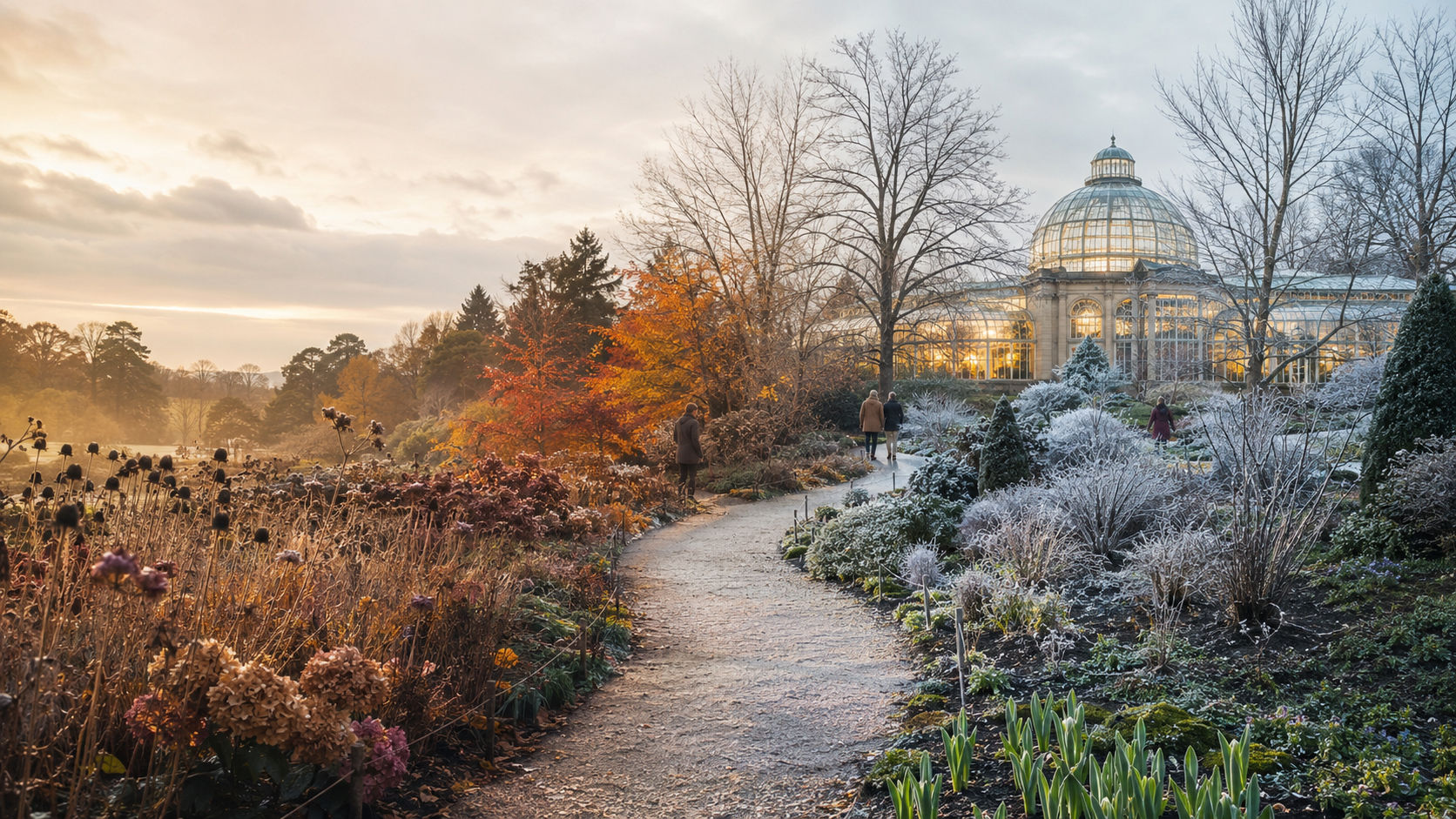
The Garden After Bloom: How Independent Botanical Gardens Build a Year-Round Membership Habit.

A botanical garden can look most successful on the day it is least secure. Tulips are open, the weather is generous, paths are crowded, and every photograph seems to prove that demand is effortless. Then the bloom passes. The same institution that felt indispensable in May can feel optional in November, even though the living collection, horticultural work, education, conservation, and community value continue every day.
For independent botanical gardens, the central business problem is not simply seasonality. It is interpretation. Visitors often understand the garden as a beautiful place to visit when nature is performing at its loudest. The organization understands something more complex: a year-round cultural institution whose product is attention, care, discovery, and repeated return. Growth depends on helping the public see that larger promise.
The Membership Problem Begins After the Peak
A seasonal ticket sale is a transaction. A membership is a habit. Those are not the same business model. When a garden sells mainly around peak bloom, it trains customers to wait for a spectacular moment. When it builds a membership rhythm, it gives people reasons to notice change itself: the first winter structure, a greenhouse collection, a propagation workshop, an evening walk, a children’s program, or the quiet return of spring.
The strongest membership proposition is not “visit as often as you like.” That language makes frequency the customer’s responsibility. A better proposition is editorial: “Here is what is becoming visible next, and why you will want to see it.” The garden chooses, frames, and sequences experiences across the year, turning the calendar into a continuing story rather than a list of opening hours.
Treat the Calendar as a Living Collection
Many cultural institutions publish calendars. A botanical garden can curate one. The distinction matters. A calendar announces dates. Curation gives those dates meaning. Instead of promoting unrelated events, the garden can build seasonal chapters: winter architecture, early emergence, pollinator season, edible landscapes, night fragrance, seed gathering, and the preparation that makes next year possible.
Each chapter should have a recognizable public experience, a member moment, and a piece of visible horticultural work. A winter chapter might combine a conservatory route, a short talk on plant survival, a lantern evening, and a behind-the-scenes look at propagation. The result is not more programming for its own sake. It is a clearer reason to return because the institution is revealing a new layer of itself.

Make Horticulture Visible Without Turning It Into a Lecture
The garden’s most valuable work is often hidden in plain sight. Pruning, soil management, propagation, pest control, accession records, seed saving, and climate adaptation shape what visitors see, but the labor disappears behind the beauty. That invisibility can weaken the case for membership and philanthropy because the public sees the outcome without understanding the intelligence that protects it.
The answer is not to place dense educational copy beside every plant. It is to reveal decisions at the right moment. A horticulturist can explain why a tree is being trained rather than left “natural.” A small seasonal route can show how tropical collections are maintained through winter. A member email can follow one plant from propagation bench to public display. Expertise becomes memorable when it is attached to a visible choice.
Build a Winter Product, Not a Winter Discount
Slow months often trigger discount thinking: cheaper admission, broad promotions, or generic holiday messaging. But winter can support a distinct premium product if the garden designs around what the season makes possible. Darkness arrives earlier. Bare branches reveal structure. Conservatories become more sensorial. Sound, mist, warmth, and light carry more emotional weight.
A winter lantern walk should not be treated as decoration added to an empty calendar. It can become a carefully staged cultural experience with timed entry, restrained lighting, local music, hot drinks, artist collaborations, and member previews. The goal is not to imitate a theme park. It is to let the garden’s existing character become legible under different conditions.

Membership Is a Rhythm, Not a Benefit List
Free admission, guest passes, shop discounts, and early access are useful, but benefits alone rarely create emotional loyalty. Members stay when the institution becomes part of how they organize time. A monthly walk, a family ritual, a favorite greenhouse in bad weather, or the anticipation of one annual evening can carry more retention value than another discount percentage.
That rhythm should be designed intentionally. New members need an immediate first visit, a second reason to return within a few weeks, and a clear invitation into the next seasonal chapter. Longstanding members need recognition without bureaucracy: a preview, a quieter time slot, a horticultural note, or an opportunity to bring someone new. The membership journey is strongest when it feels generous and specific rather than automated.
Use Data to Protect the Garden’s Character
A garden can learn from attendance, membership renewal, event conversion, weather, program capacity, shop sales, and visitor timing without allowing numbers to flatten the mission. The purpose of measurement is not to turn every path into a revenue unit. It is to understand which experiences deepen return, which programs create bottlenecks, and where capacity is being spent without strengthening the institution.
The most useful questions are practical. Which first-time events lead people back? Which seasonal chapter renews lapsed members? When does a popular program compromise the quality of the visit? Which member benefits are used, and which only look attractive on a brochure? Data should help the garden protect intimacy, distribute demand, and invest in experiences that support both mission and financial resilience.
Takeaways
Independent botanical gardens do not need to compete with entertainment venues by becoming louder. They need to make year-round change easier to perceive. Curate the calendar as a sequence of seasonal chapters. Reveal horticultural decisions through real work. Build winter experiences around darkness, structure, warmth, and conservation. Design membership as a return rhythm rather than a collection of discounts.
The premium opportunity is not unlimited programming. It is confident selection. A garden that chooses what deserves attention can give visitors something increasingly rare: a place where looking slowly still feels relevant.
OrionPilot
OrionPilot helps specialist and experience-driven businesses translate expertise into clearer offers, stronger seasonal priorities, and practical weekly action—without reducing the character that makes the organization worth returning to.


Comments